Rio de Janeiro Local Tips, Food Stories & Hidden Gems
Written by a native Carioca who has spent a lifetime exploring the flavors, rhythms, and hidden stories of Rio de Janeiro — so you can feel it the way it was meant to be.
Where to Find the Best Feijoada in Rio de Janeiro (A Local's Guide)
There is no dish that captures the soul of Rio de Janeiro more completely than feijoada. It is not just food—it is a weekly ritual, a social ceremony, and a beautiful reason to gather with the people you love, slow down, and let the afternoon stretch into evening.
If you are visiting Rio for the first time, experiencing a proper feijoada is not optional. It is essential.
The problem? Every tourist-facing restaurant in Ipanema and Copacabana serves feijoada on Saturdays, and most of them serve a watered-down version designed for people who won't know any better. Think watery broth, pre-portioned meat, and a perfunctory bowl of orange slices on the side.
I'm Michele, born and raised in Rio de Janeiro, and this is not the feijoada I want you to eat.
This guide tells you exactly where locals go—and more importantly, why.
What Is Feijoada?
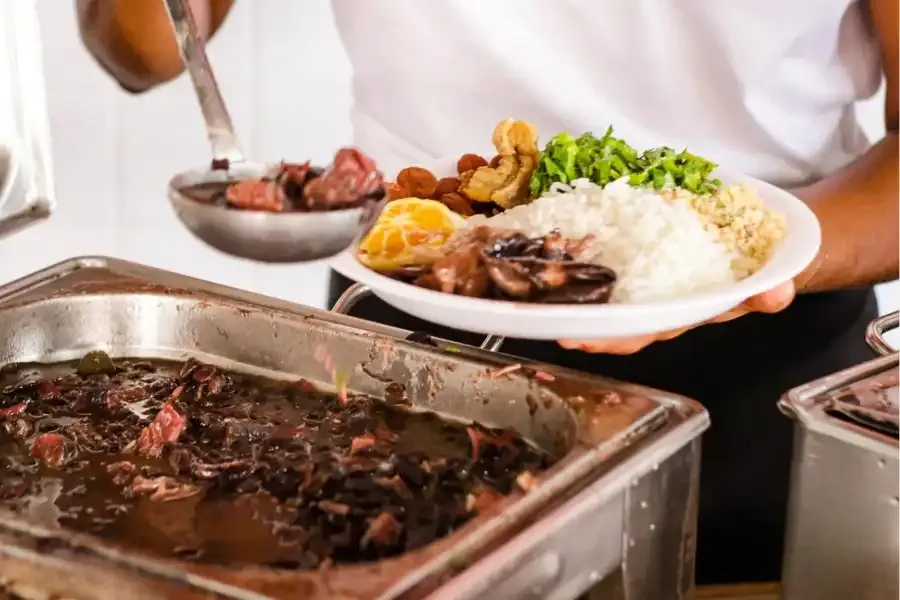
Feijoada (pronounced feh-jwa-DA) is Brazil's most iconic dish. At its core, it is a rich, slow-cooked stew of black beans and various cuts of pork. A standard batch includes salted pork ribs, jerked beef, and smoked sausages like paio and linguiça. However, if you go full traditional mode, it may also include cuts like pig's ear, snout, and foot.
To complete the ritual, it is always served with a classic spread: white rice, sautéed collard greens (couve), farofa (toasted cassava flour), and fresh orange slices, which cut through the richness and aid digestion.
In Rio, feijoada is traditionally eaten on Saturdays. The logic is simple—it is a heavy, indulgent, hours-long affair. You eat, you nap, you talk, and you eat again. It is the absolute opposite of a quick lunch.
The 3 Types of Feijoada Experiences in Rio
Understanding which style matches your travel vibe will help you choose the right spot:
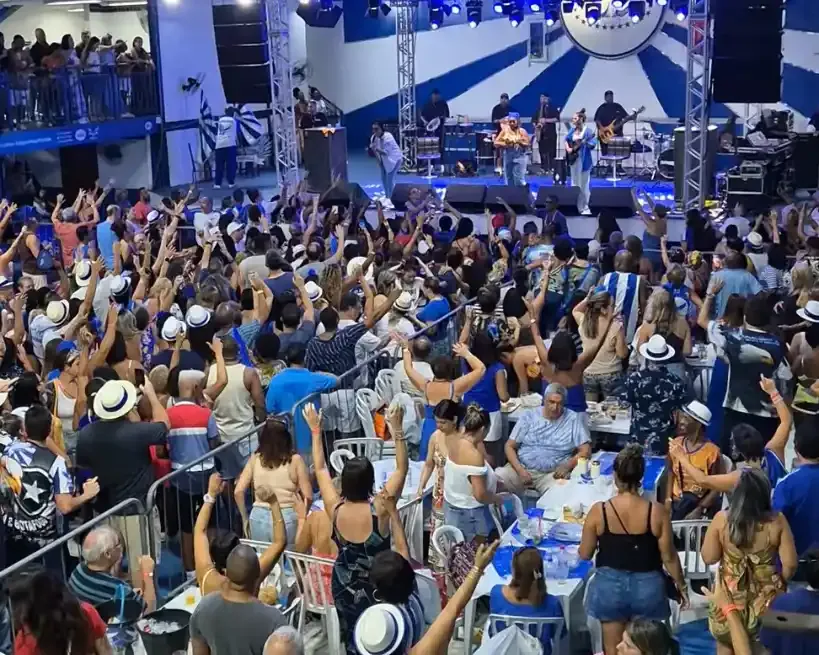
The Samba School Feijoada: This is the most culturally immersive option. The major samba schools of Rio—like Mangueira, Portela, and Salgueiro—host monthly feijoada events at their headquarters that double as massive rehearsal parties for Carnival. The food is cooked in enormous clay pots, the music is live and acoustic, and the atmosphere is electric.
The Boteco Feijoada: The most authentic, no-frills version. Traditional neighborhood bars (botecos) have been making the exact same family recipes for generations. There are no tourist prices or translated menus here—just extraordinary food eaten at formica tables alongside locals who have been coming every single Saturday for decades.
The Elevated Feijoada: For travelers who want the full cultural experience with a little more polish. Certain restaurants in Rio elevate the dish with higher-quality cuts, beautifully refined accompaniments, and exceptional service that honors the culinary history of what you are eating.
Where to Eat the Best Feijoada in Rio Like a Local - A Real Carioca
Cacique de Ramos (Olaria — Zona Norte)
This is the most sacred feijoada experience in Rio. Cacique de Ramos is one of the oldest samba venues in Brazil—the birthplace of icons like Zeca Pagodinho and the cradle of the pagode genre. On the third Sunday of each month, they host a feijoada under the branches of a centuries-old tamarind tree while an acoustic samba circle plays just a few feet away. The food is served steaming, simple, and in generous portions.
Local Tip: Take a taxi or rideshare directly there and back. This isn't a neighborhood meant for a relaxed afternoon stroll, but the cultural experience is worth every bit of the effort.
G.R.E.S. Portela (Madureira)
Portela is a legendary samba school, and their "Feijoada da Família Portelense" (held on the first Saturday of each month) is one of the most well-organized and joyful events in the city. The music is top-tier, major Brazilian artists frequently perform, and the community energy is incredibly warm. Be sure to book a VIP table in advance, as the general admission area fills up incredibly fast.
Aconchego Carioca (Tijuca — Zona Norte)
Chef Kátia Barbosa is a national culinary hero, and her cozy spot in Tijuca is the reason why. She invented the Bolinho de Feijoada—a crispy, deep-fried croquette made from feijoada filling—which is easily one of the most copied appetizers in Rio. Her full Saturday feijoada is equally legendary. Arrive early, as this small neighborhood favorite fills up completely by noon.
Bar do Bode Cheiroso (Maracanã / Zona Norte)
An old-school, traditional boteco that has been feeding Cariocas for decades. The feijoada here does not try to impress anyone with fancy presentation; it simply is what it is—deeply flavored, slow-cooked, and massive. Order a freezing cold chope (draft beer) to go with it and enjoy the neighborhood vibe.
Insider Tips for Your Feijoada Feast
Book Samba Events Early: If you are heading to a samba school feijoada, buy your tickets online well in advance. These events sell out weeks ahead, especially during the high travel season.
Don't Skip the Oranges: The orange slices are not a garnish! Eat them alongside the meat. The acidity helps your digestive system process the rich, fatty proteins in the stew.
Go For the "Completa": Always ask if they serve a feijoada completa (the full service with all the accompaniments) rather than a "light" version. You want the real deal: rice, couve, farofa, torresmo (crispy pork rinds), and oranges.
One Last Thing
A proper feijoada in Rio is one of those rare travel experiences that has nothing to do with ticking off a landmark and everything to do with sitting down, soaking it in, and letting the city come to you.
I have eaten feijoada at a simple plastic table under a canvas tarp in Zona Norte with acoustic samba playing right next to me, and I have never felt more at home in Rio than in that exact moment.
That is the experience I want for you.
Michele is a native Carioca and the founder of Travel Guide Brazil.
Her Rio de Janeiro Foodie Guide includes a complete Samba & Feijoada section with logistics, booking tips, and insider safety guidance for every venue listed above.
Created with ©systeme.io